Category: Ingredients

Clean, natural ingredients that we use in all our products, no fillers, no fluff just lab tested science backed ingredients with verified and tested results you can trust in. Supplements Manufactured in the UK

  • Ginger

    Ginger

    Ginger (Zingiber officinale) is a plant native to Asia. The ginger spice comes from the roots of the plant. It’s used as a food flavouring and medicine.

    Ginger contains chemicals that might reduce nausea and swelling. These chemicals seem to work in the stomach and intestines, but they might also help the brain and nervous system to control nausea.

    People commonly use ginger for many types of nausea and vomiting. It’s also used for menstrual cramps, osteoarthritis, diabetes, migraine headaches, and other conditions, but there is no good scientific evidence to support many of these uses. There is also no good evidence to support using ginger for COVID-19.
  • Boswellia Serrata

    Boswellia Serrata

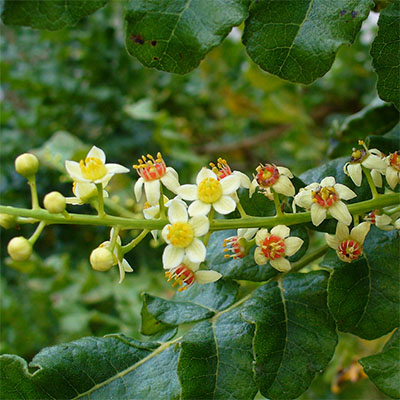
    Boswellia serrata is a tree native to India, Africa, and the Arabian Peninsula. It is commonly used in the traditional Indian medicine system, Ayurveda.

    Boswellia serrata contains chemicals that might decrease swelling and increase the body’s immune response. Extracts of the Boswellia serrata sap, bark, and other plant parts have been taken by mouth for therapeutic purposes.

    People use Boswellia serrata for osteoarthritis. It is also used for many other purposes, including asthma, diabetes, and stroke, but there is no good scientific evidence to support these other uses. There is also no good evidence to support using Boswellia serrata for COVID-19.

    The sap from Boswellia serrata is sometimes used to make Frankincense. Frankincense is typically applied to the skin or inhaled as aromatherapy. For information on those uses, see Frankincense.

  • Ashwagandha

    Ashwagandha

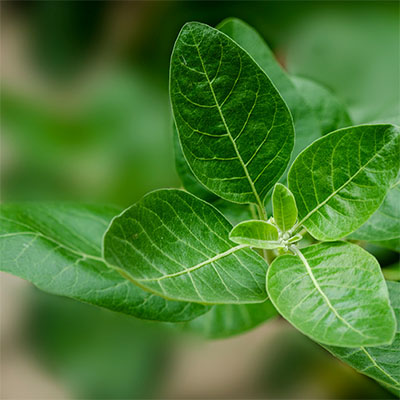
    Ashwagandha is an evergreen shrub that grows in Asia and Africa. It is commonly used for stress. There is little evidence for its use as an “adaptogen.”

    Ashwagandha contains chemicals that might help calm the brain, reduce swelling, lower blood pressure, and alter the immune system.

    Since ashwagandha is traditionally used as an adaptogen, it is used for many conditions related to stress. Adaptogens are believed to help the body resist physical and mental stress. Some of the conditions it is used for include insomnia, aging, anxiety and many others, but there is no good scientific evidence to support most of these uses. There is also no good evidence to support using ashwagandha for COVID-19.

    Don’t confuse ashwagandha with Physalis alkekengi. Both are known as winter cherry. Also, don’t confuse ashwagandha with American ginseng, Panax ginseng, or eleuthero.

  • Magnesium Bisglycinate

    Magnesium Bisglycinate

    Magnesium bisglycinate is a chelated form of magnesium where a magnesium molecule is bonded with two glycine molecules, an amino acid. This form is known for its high bioavailability, meaning the body can readily absorb and utilise it. It’s often favoured for its gentler nature on the digestive system compared to other magnesium supplements. 

    Here’s a more detailed look:

    What it is:

    • Magnesium bisglycinate is a type of magnesium salt, where magnesium is combined with two glycine molecules. 
    • This chelation process enhances absorption, making it a more easily absorbed form of magnesium. 
    • It’s often marketed as “chelated” or “fully reacted” to emphasise its bioavailability. 

    Why it’s preferred:

    • High Bioavailability: The chelation process makes it more easily absorbed and utilised by the body. 
    • Gentler on the Stomach: It’s generally less likely to cause gastrointestinal upset compared to other magnesium forms, such as magnesium oxide or chloride. 
    • Supports Various Functions: Magnesium plays a crucial role in over 300 biochemical processes in the body, including muscle and nerve function, stress regulation, and bone health. 

    Benefits:

    • It may help with sleep, muscle relaxation, and reducing leg cramps. 
    • It can support healthy blood pressure and blood sugar levels. 
    • It may reduce symptoms of premenstrual syndrome (PMS). 
    • Contributes to overall health and well-being by supporting a variety of bodily functions. 

    Dosage and Side Effects:

    • The recommended dosage can vary, but typically ranges from 200-400 mg per day for adults. 
    • It’s generally considered safe and well-tolerated, but excessive intake can lead to digestive issues like diarrhoea. 
    • It’s best to consult with a healthcare professional or pharmacist to determine the appropriate dosage for individual needs. 

    In summary, magnesium bisglycinate is a highly bioavailable and well-tolerated form of magnesium that can support various bodily functions. It’s often recommended for individuals seeking to improve magnesium levels, address digestive sensitivities, or support overall health and well-being.